

Our botanicals

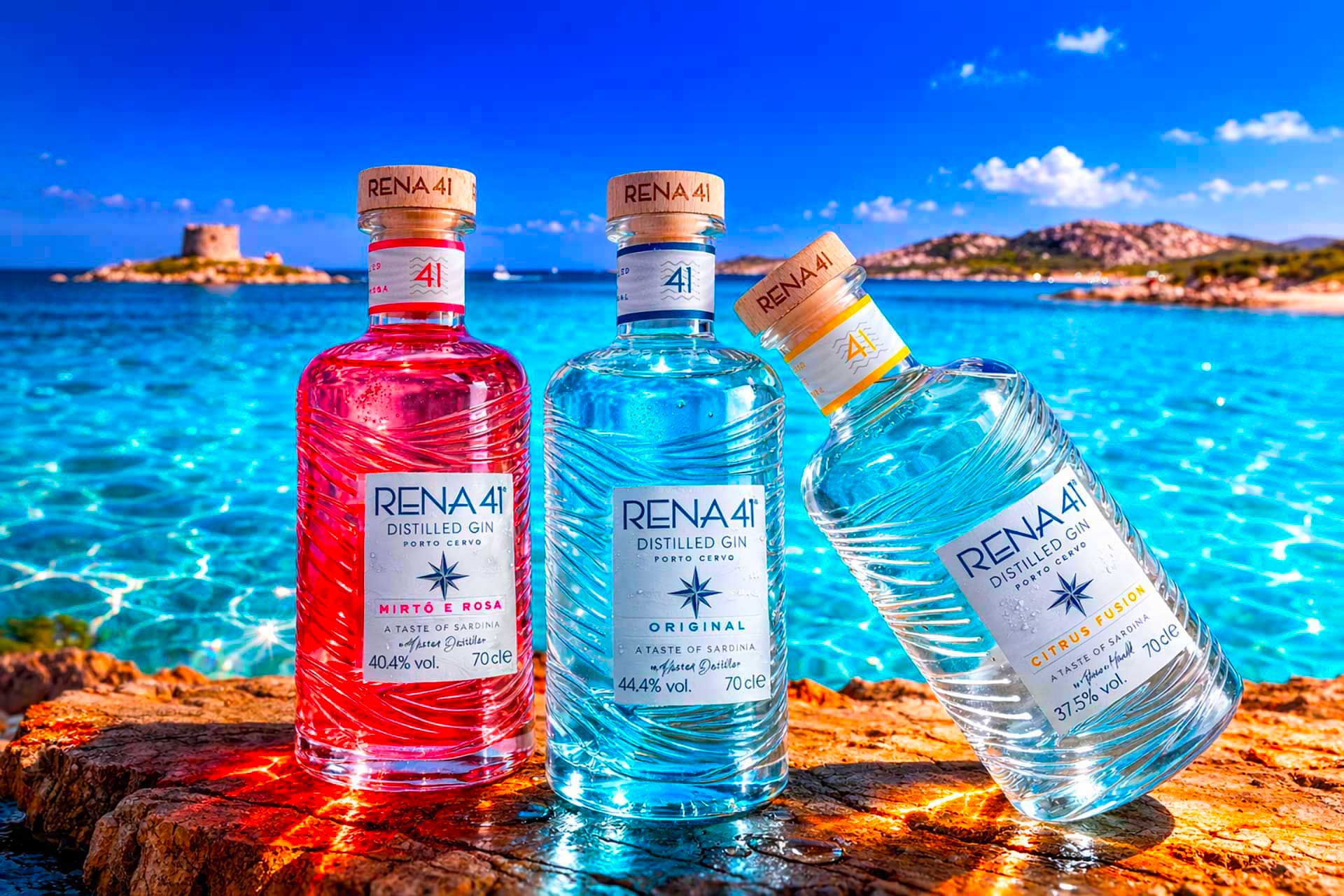
RENA 41® is an artisanal maison created to capture, in its distillates, the wild beauty and timeless elegance of Sardinia and in particular the Costa Smeralda®.
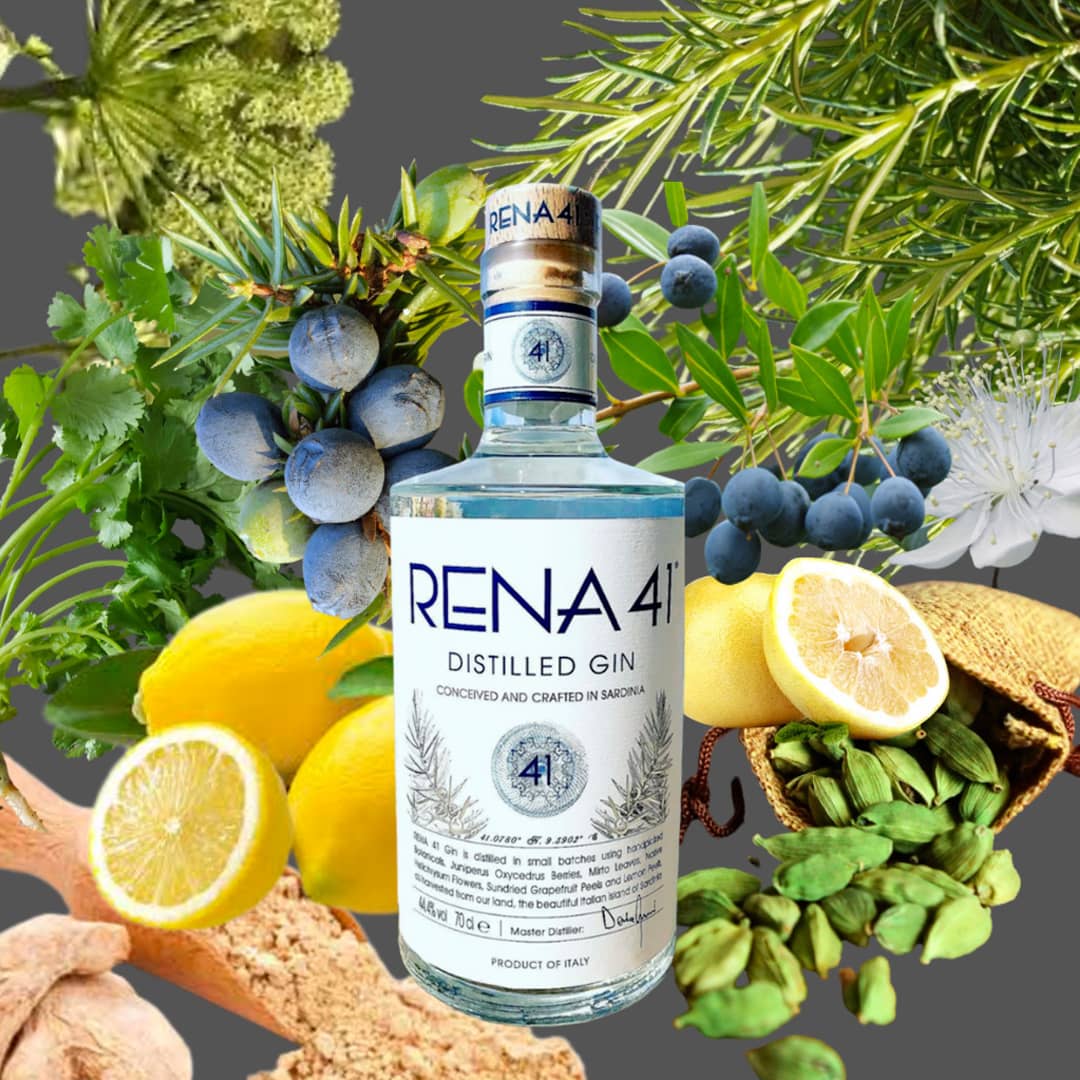
In the heart of Gallura, we hand-select wild endemic botanicals, Sardinian juniper berries (Juniperus oxycedrus), myrtle leaves and berries, and helichrysum flowers, gathered among the fragrant hills and pristine coastlines surrounding Porto Cervo.
These distinctive essences are complemented by exceptional citrus fruits, lemons, oranges, white grapefruits, and mandarins — from the plains of Milis, located in the west-central part of Sardinia, a historic land of agricultural excellence shaped by an ideal climate and centuries of tradition.
Traceability & Care
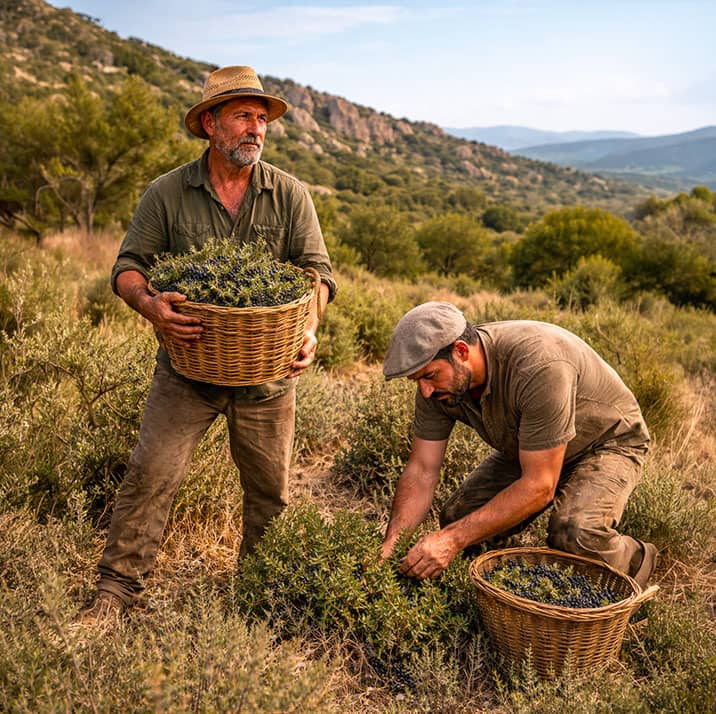
Each botanical is carefully identified, curated, and prepared to preserve its natural character.
Our team supervises the harvest, selecting only the finest essences.
Once gathered, the botanicals are curated and traditionally dried at Casa RENA 41, where artisanal methods preserve their purity, aroma, and authenticity before distillation.
This close attention ensures full traceability and allows the true character of Sardinia to be expressed in every drop.
RENA 41® is more than a gin — it is a genuine expression of its land.
A Symphony of Flavours
Local aromatic plants and vibrant citrus fruits blend harmoniously with other carefully selected botanicals, creating the unique recipes behind our distillates.
The result is a gin that is elegant, enveloping and modern in style yet deeply rooted in Mediterranean tradition.
RENA 41® Distilled Gin is an invitation to experience the Costa Smeralda® in its most refined form, one sip at a time.
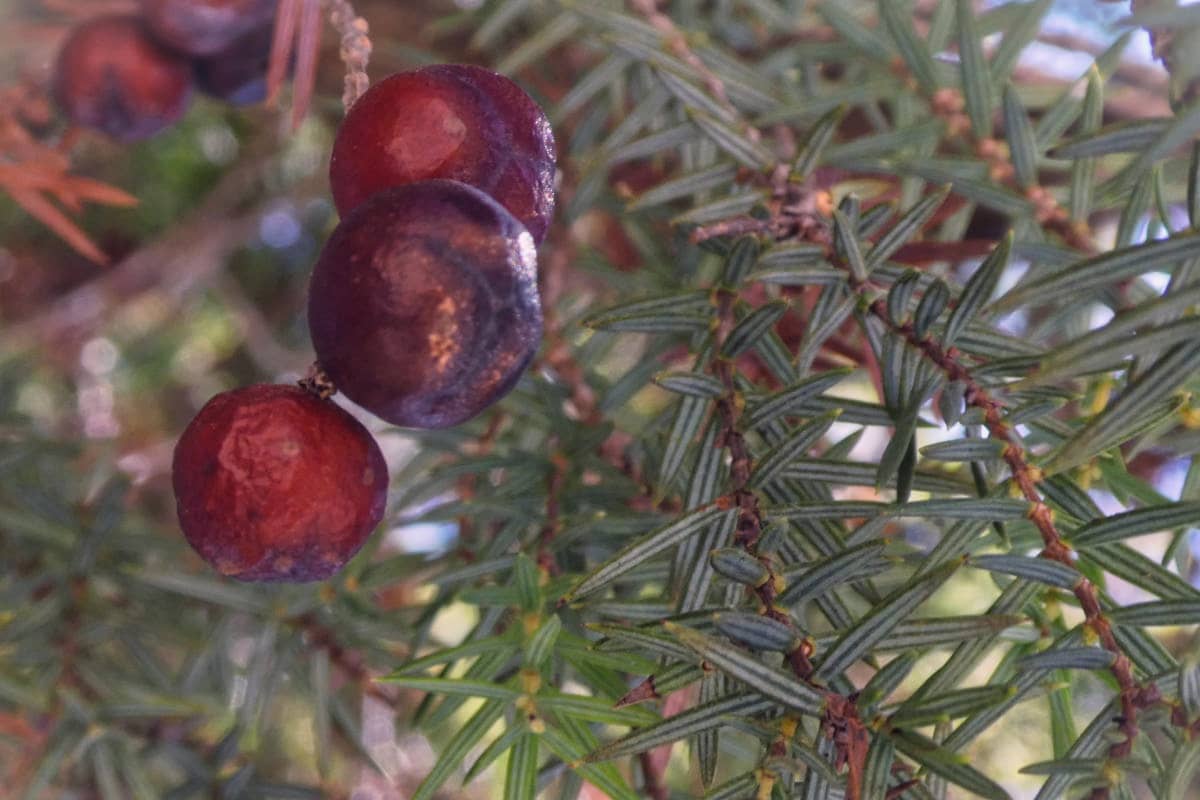
Wild juniper
Juniperus oxycedrus L. ssp. macrocarpa
BERRIES
The untamed essence of Sardinia.
Hand-harvested along the coastal hills of Gallura, Sardinian juniper defines the very
backbone of RENA 41®, imparting structure and an unmistakable Mediterranean
identity.
Known locally as ginepro coccolone, this distinctive subspecies of red juniper (Juniperus
oxycedrus) grows as a resilient shrub or small tree, reaching up to five meters in height. Its
berries—referred to as “coccole”— ,” are larger than those of other varieties and turn a
reddish-brown color when ripe.
Harvested entirely by hand by the Casa RENA 41 team between late November and
January, the berries are selected at peak ripeness, when their colour deepens and their
texture becomes delicately soft.
Once gathered, they are carefully cleaned to remove impurities and stored in dark, well-
ventilated spaces. They are then gently dried—either under the natural warmth of the
Sardinian sun or in controlled drying rooms—for approximately 5 to 10 days, depending on
the climate
WILD MYRTLE
Myrtus communis
The fragrance of the Mediterranean maquis.
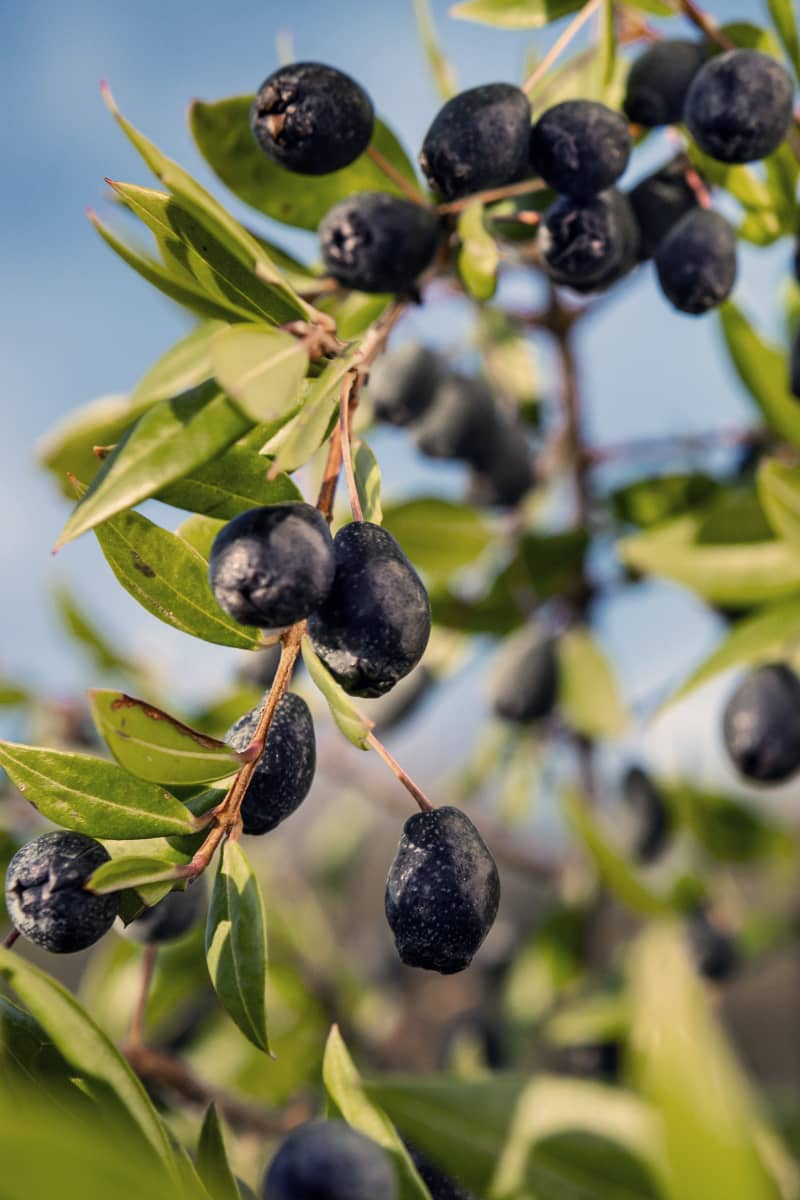
Berries and leaves of wild myrtle bring depth, warmth, and an aromatic signature that is inseparable from the Sardinian landscape.
BERRIES - Myrtus communis fructus
Wild myrtle is a highly branched evergreen shrub, typically growing between one and two metres in height.
Its fruits are dark, fleshy berries with an intense aromatic character.
They are hand-harvested by Casa RENA 41 collectors at full maturity between December and January.
WILD MYRTLE
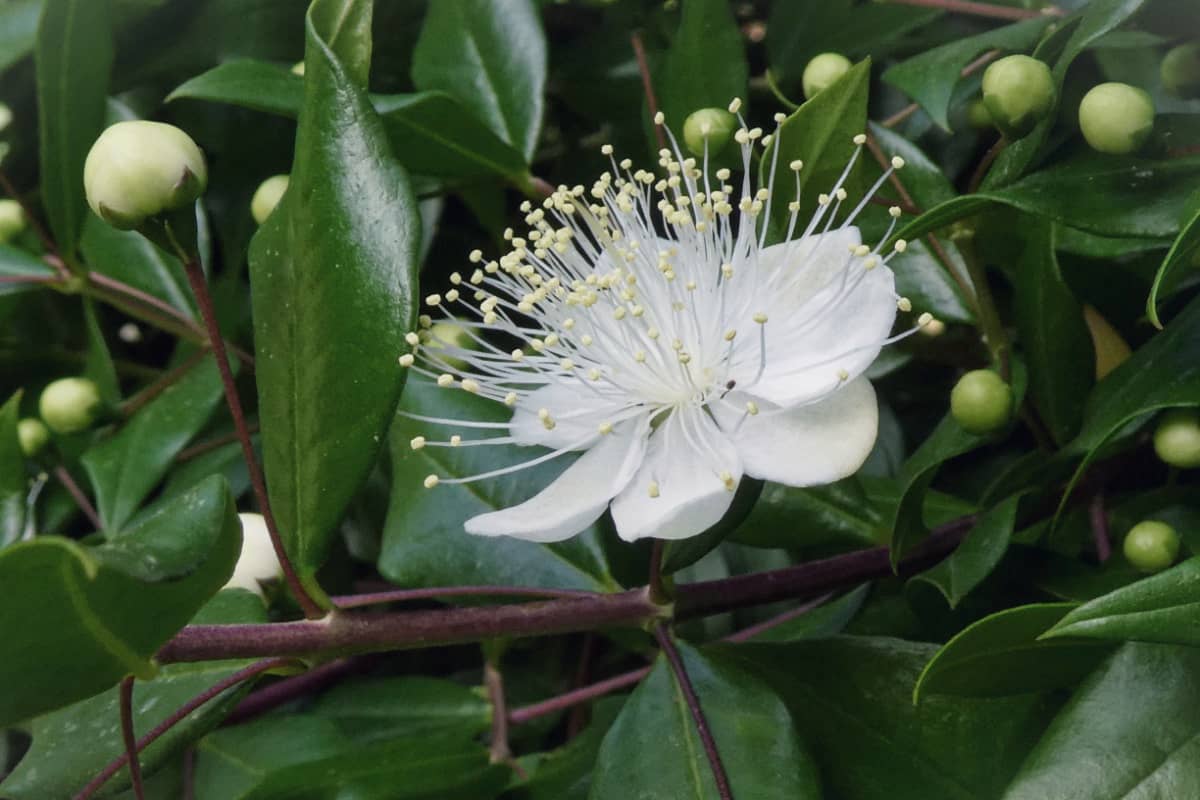
LEAFS - Myrtus communis folium
The evergreen leaves of the myrtle plant are oval, leathery, and highly aromatic.
They are collected by hand by CASA RENA 41 collectors between February and March, shortly after the berry harvest.
After careful selection, the leaves are gently dehydrated for three to five days before further preparation.
helichrysum
Helichrysum italicum
FLOWERS
The golden scent of the Sardinian coast.
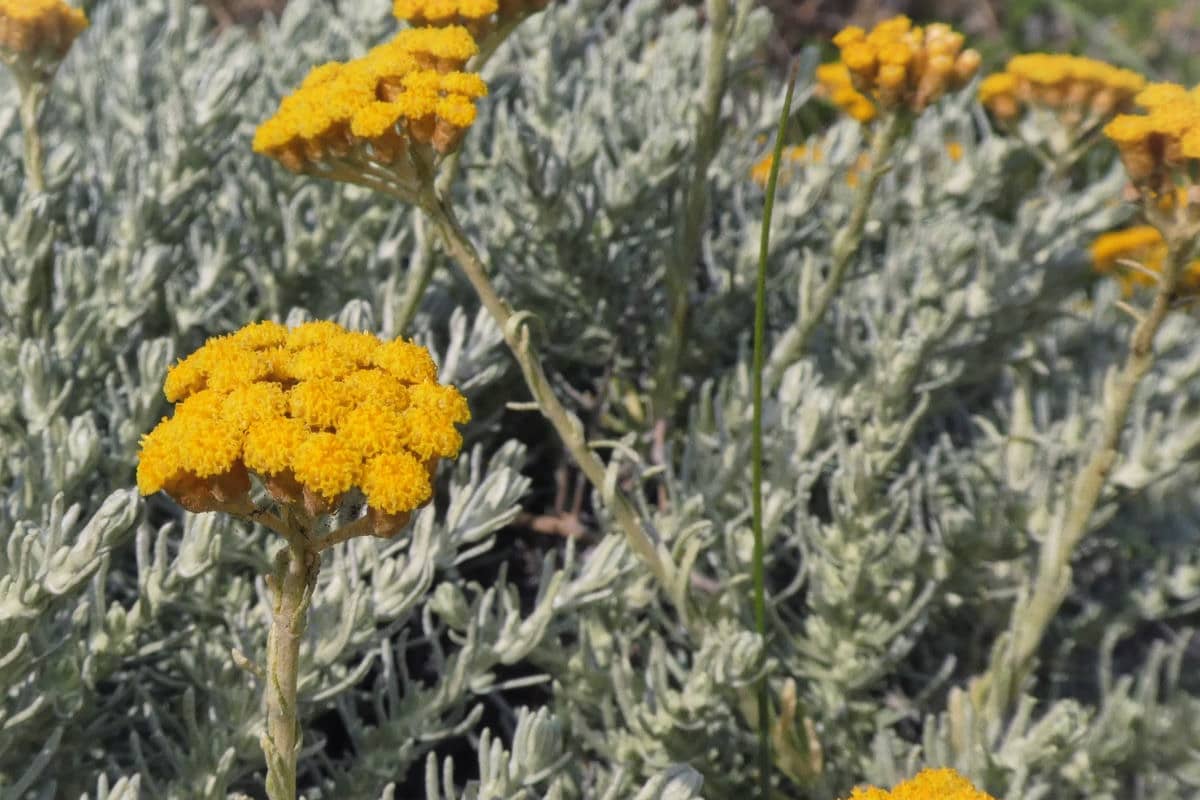
Helichrysum flowers release warm, intense and balsamic aromas that capture the sun-drenched character of the Mediterranean.
Helichrysum, often called the “immortelle” flower, is a characteristic plant of the Mediterranean maquis.
The variety Helichrysum italicum microphyllum is a Sardinia endemic plant.
This perennial plant grows in dry coastal areas and produces small golden-yellow flowers with an intense and distinctive fragrance.
The flowering tops are carefully harvested at the peak of their aromatic intensity between April and July.
DAMASCENA ROSE
BUDS
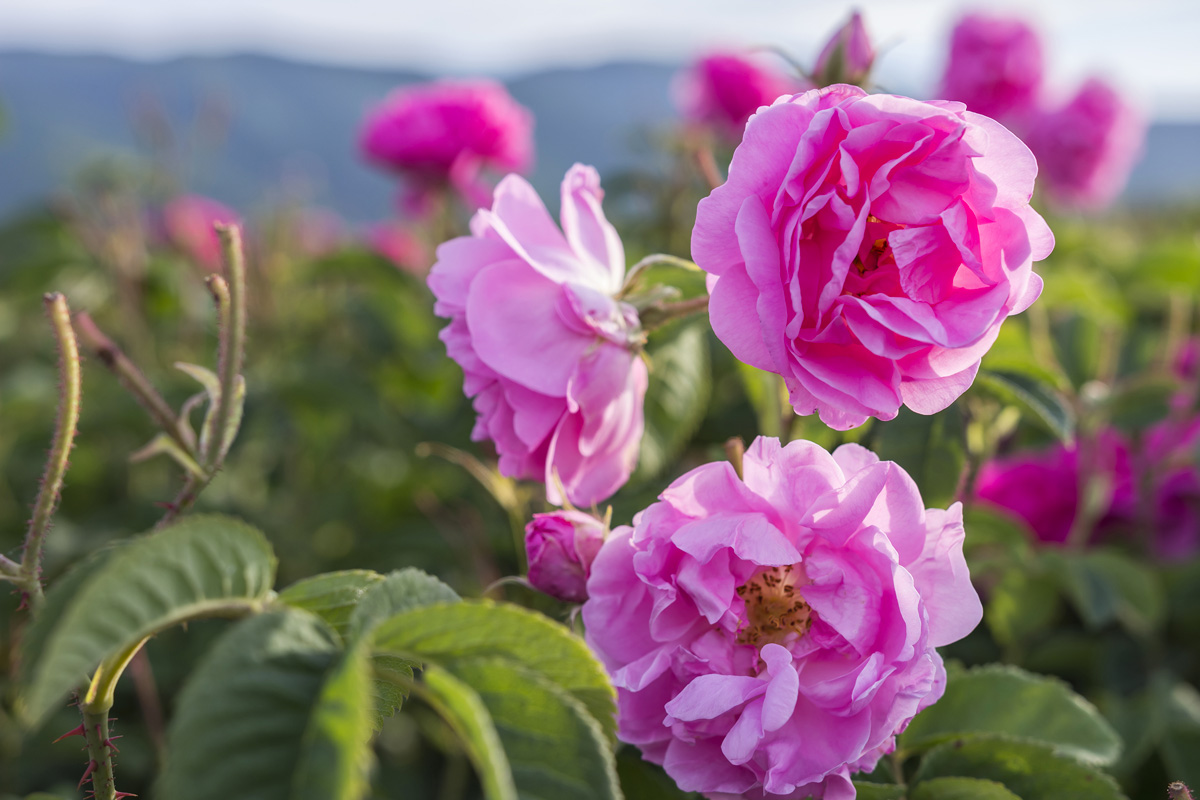
Elegance in bloom
The Damask rose is believed to have been introduced to Europe from the Middle East during the time of the Crusades.
Its fragrant buds are harvested between late April and May, early in the morning while still closed, when the concentration of aromatic oils is at its highest.
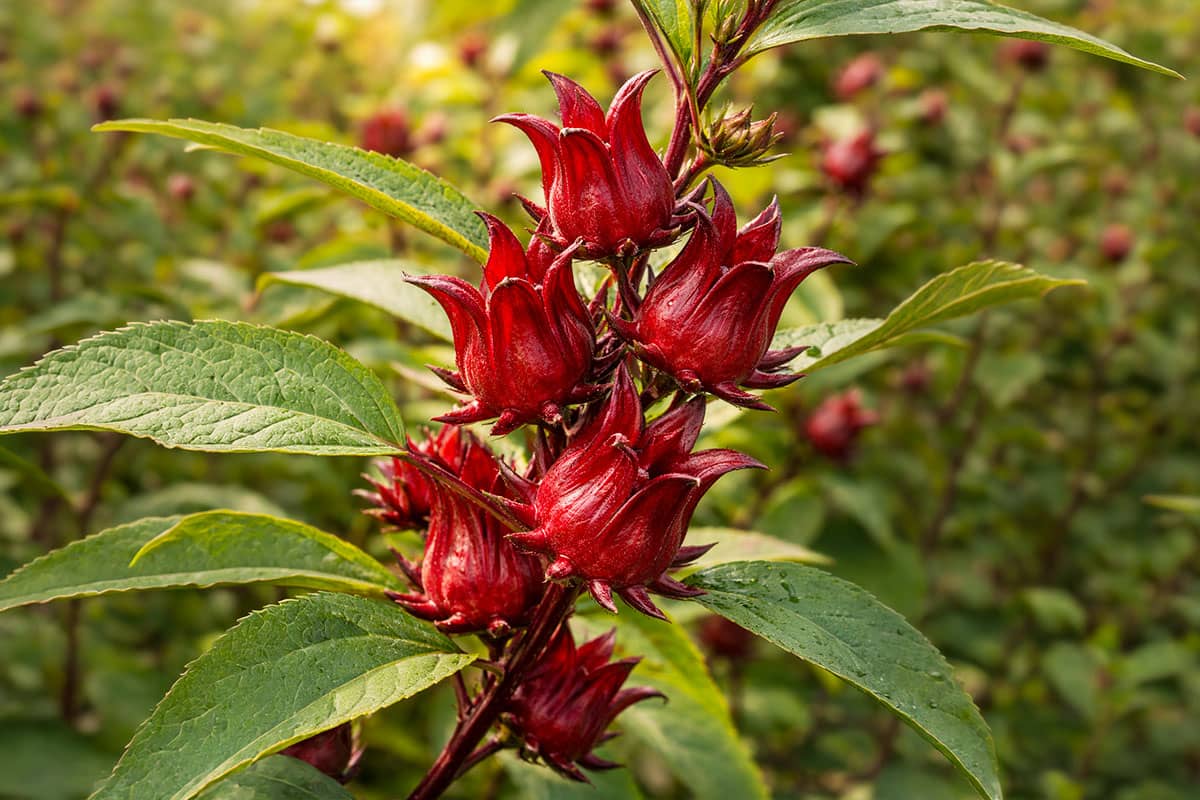
Hibiscus
Hibiscus sabdariffa
FLOWERS
A vibrant floral accent.
Hibiscus flowers contribute a subtle brightness and a lively aromatic lift.
Hibiscus is cultivated from spring, grows throughout the summer, and is harvested in autumn.
The flowers are collected during the fruiting period and then carefully dried to preserve their vibrant colour and delicate aroma.
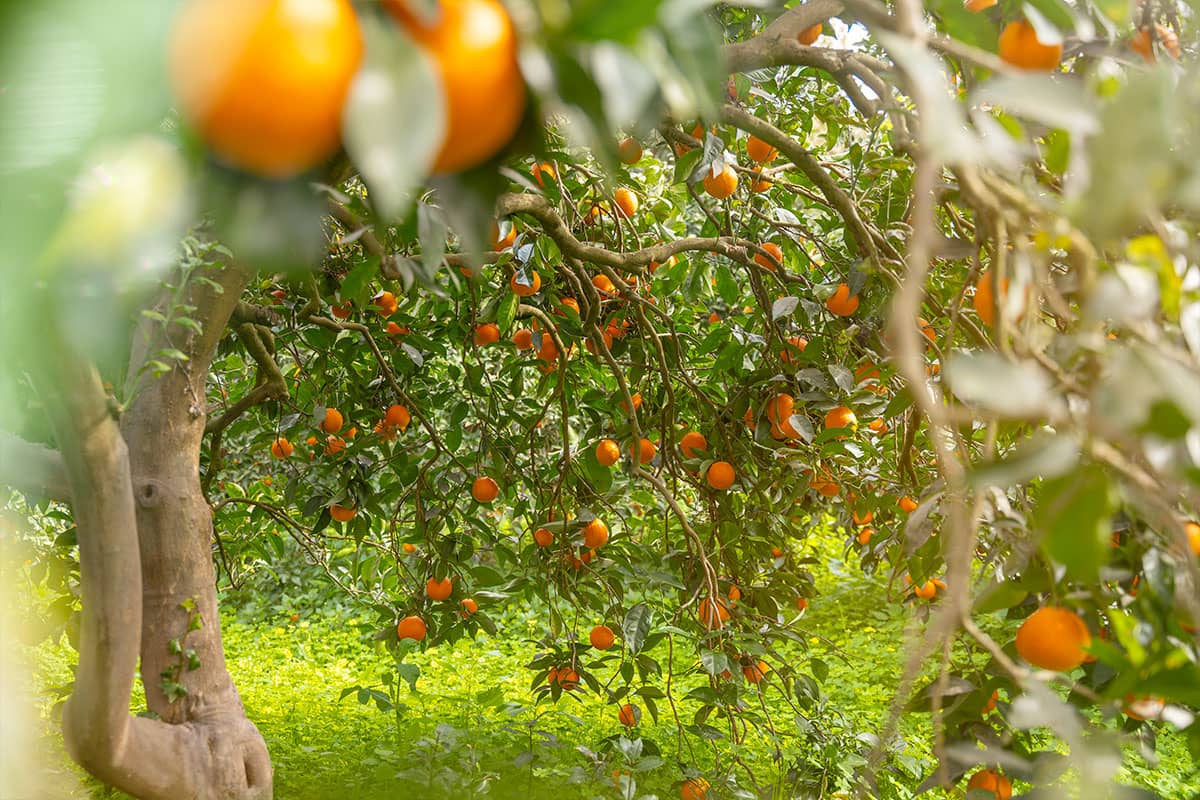
Citrus Fruits of Milis
The citrus fruits used in RENA 41® distillates are sourced exclusively from the region of Milis,
in central western Sardinia an area long renowned for its citrus cultivation, thanks to its
favourable climate and naturally fertile soils.
This rich citrus-growing heritage traces back centuries, with origins in the Roman era and the
first cultivated groves established in the 12th century by the Camaldolese monks of the
Monastery of Bonarcado.
The fruits are grown using traditional methods and hand-harvested at their optimal point of
ripeness.
At Casa RENA 41, the peels are then carefully removed by hand through an age-old
technique—a single, continuous and precise motion—designed to preserve the essential oils
held within the skin. naturally under the Sardinian sun for approximately one week, allowing
their vibrant citrus character to fully express itself while remaining beautifully intact.
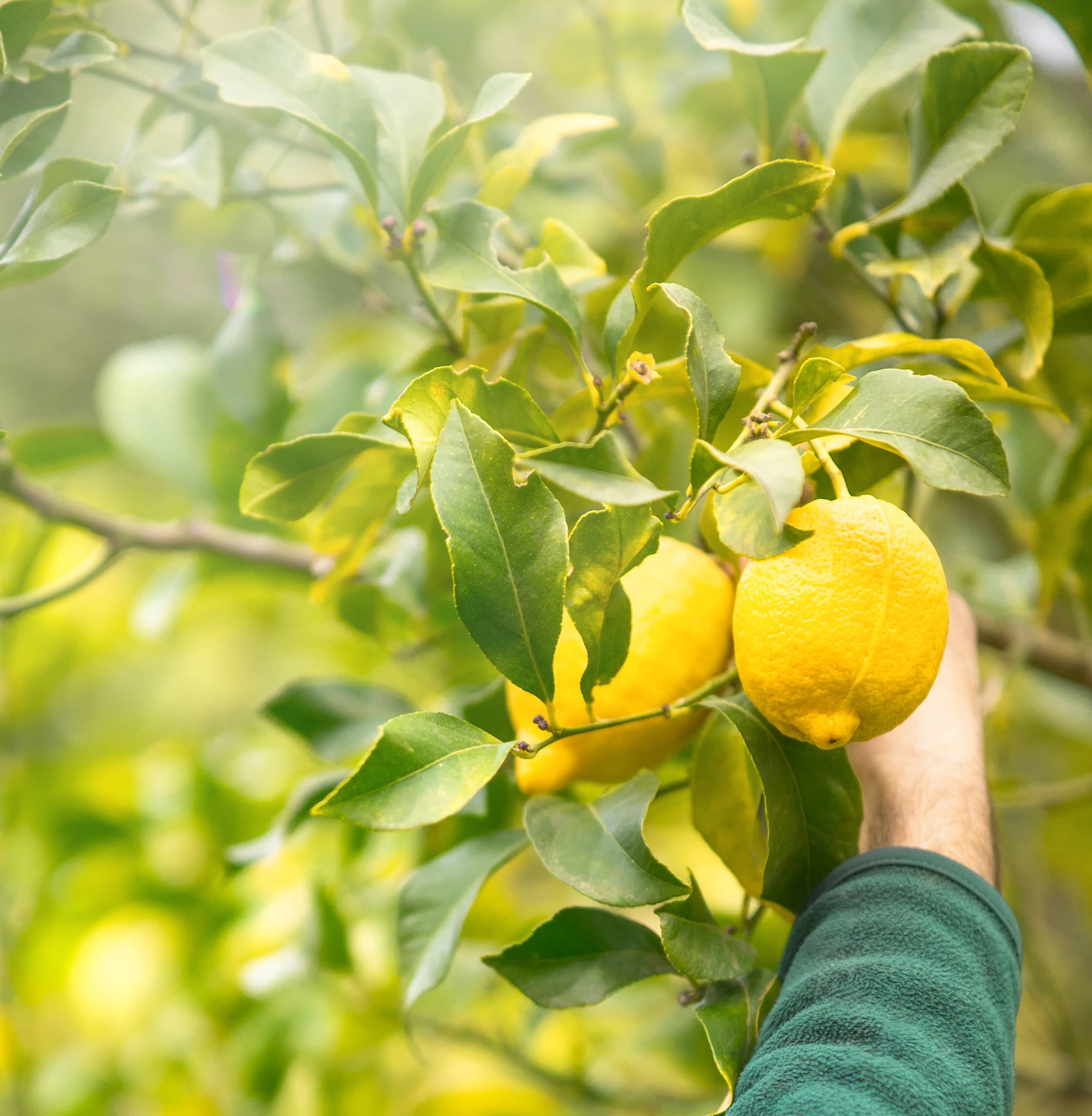
LEMONS
Citrus × limon
Pure Mediterranean brightness.
Harvest period: February – March.
Lemons are a re-flowering species that can produce several crops per year. For RENA 41®, we select the winter harvest when the fruit reaches optimal ripeness, characterised by a bright yellow peel, medium thickness, fine texture, and particularly intense aroma.
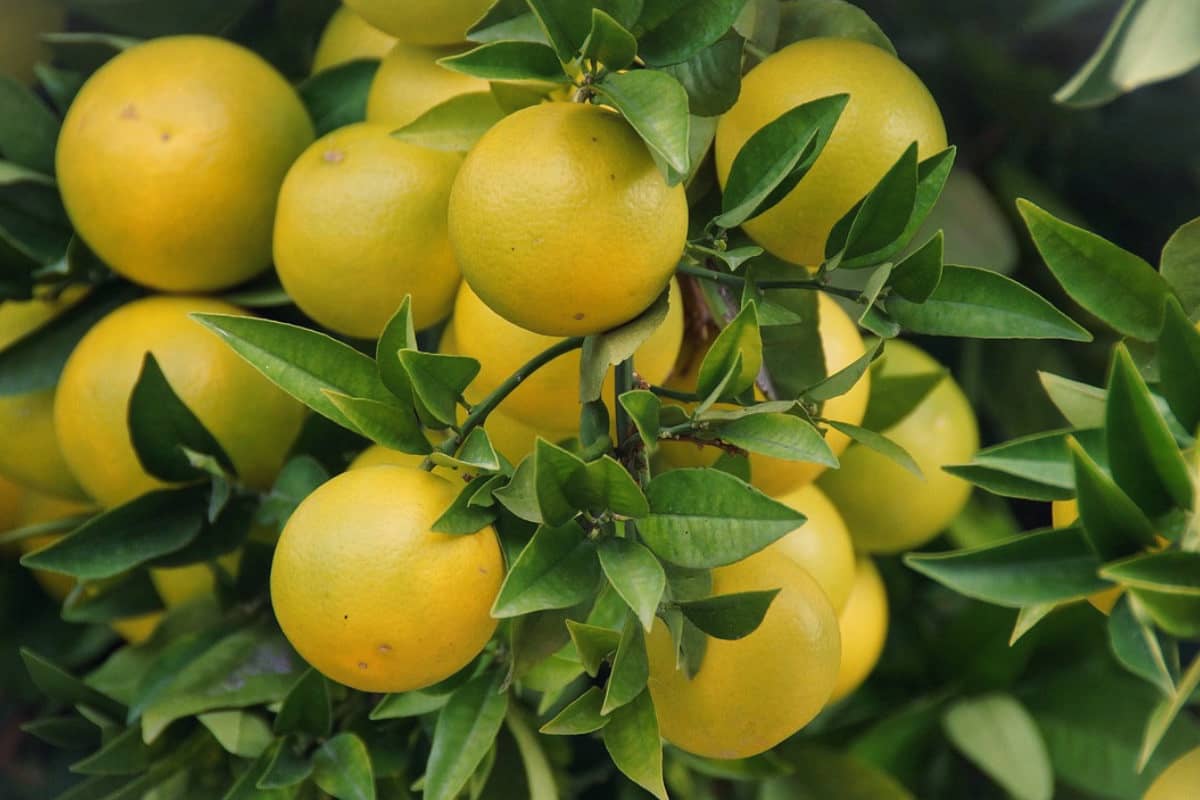
White Grapefruit
Citrus paradisi
A refined citrus bitterness.
White grapefruit is a rare and highly prized variety grown in Milis.
The fruits are harvested between December and January and are valued for their elegant bitterness and aromatic freshness.
Mandarin
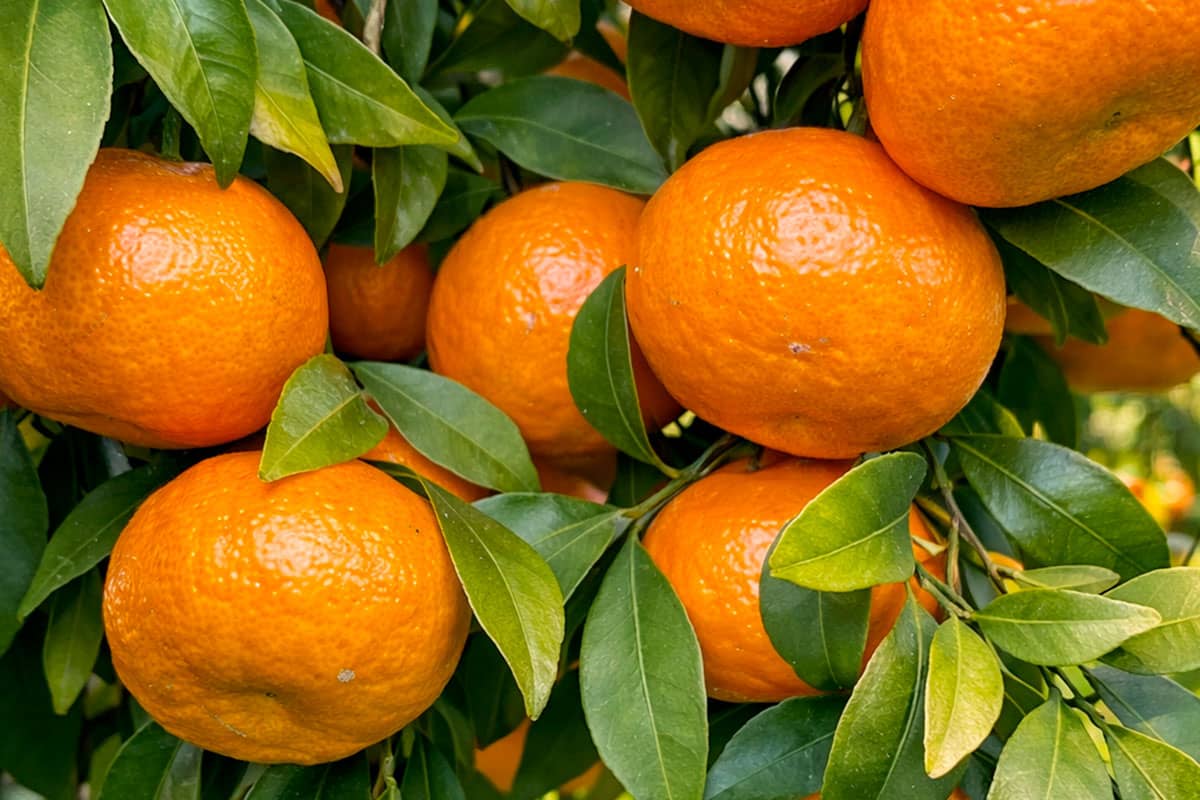
Citrus reticulata — Variety Avana
Sweetness and aromatic intensity.
Harvest period: December – February.
The Avana mandarin is distinguished by its intense fragrance, thin bright-orange peel, and sweet, juicy pulp. The fruits are hand-picked by local farmers.
Orange
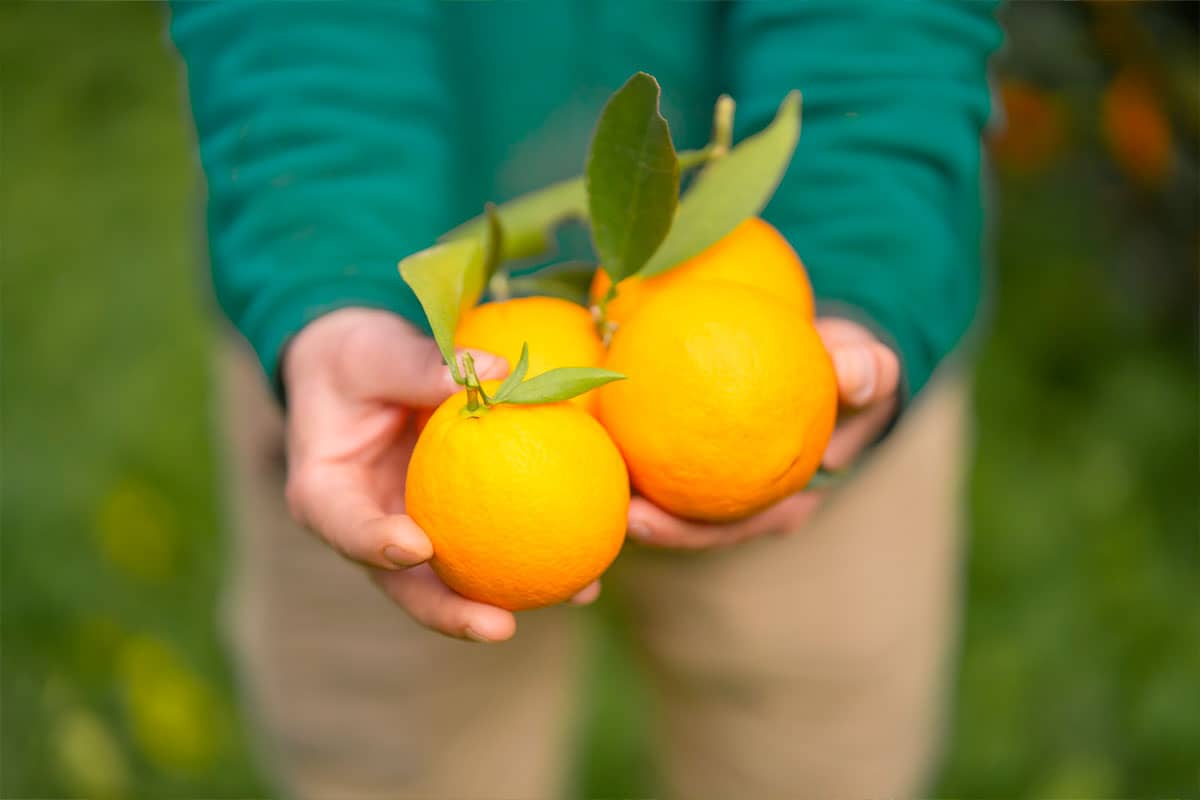
Citrus aurantium var. dulcis — Variety Washington Navel
A classic expression of Sardinian citrus.
Harvest period: November – May
These oranges are prized for their rich aromatic peel and balanced sweetness.
